MARKFORGED

Formlabs
AM Technologies
services
industries


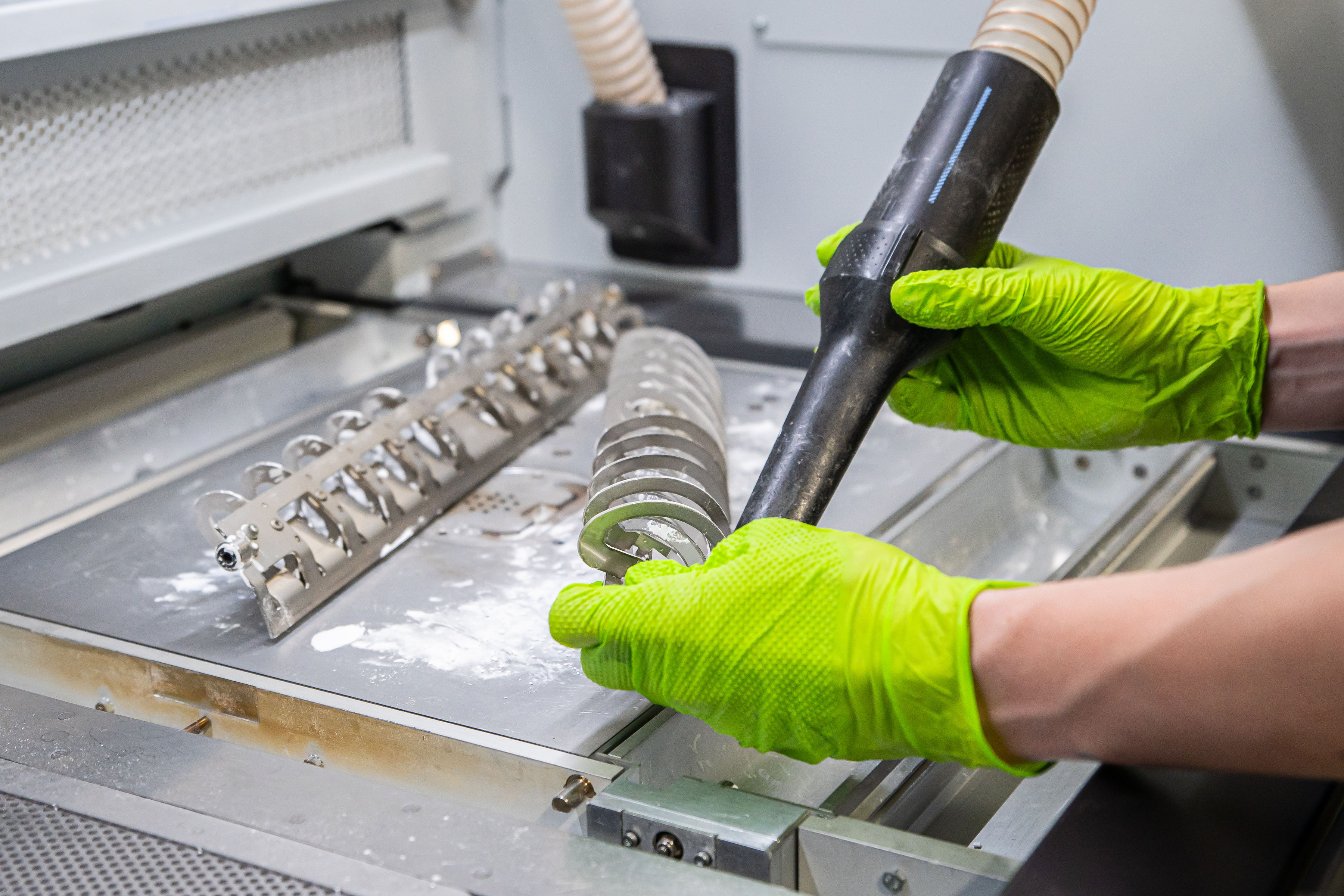


Production-ready parts.
Prototype and launch quickly.
Parts that perform reliably.
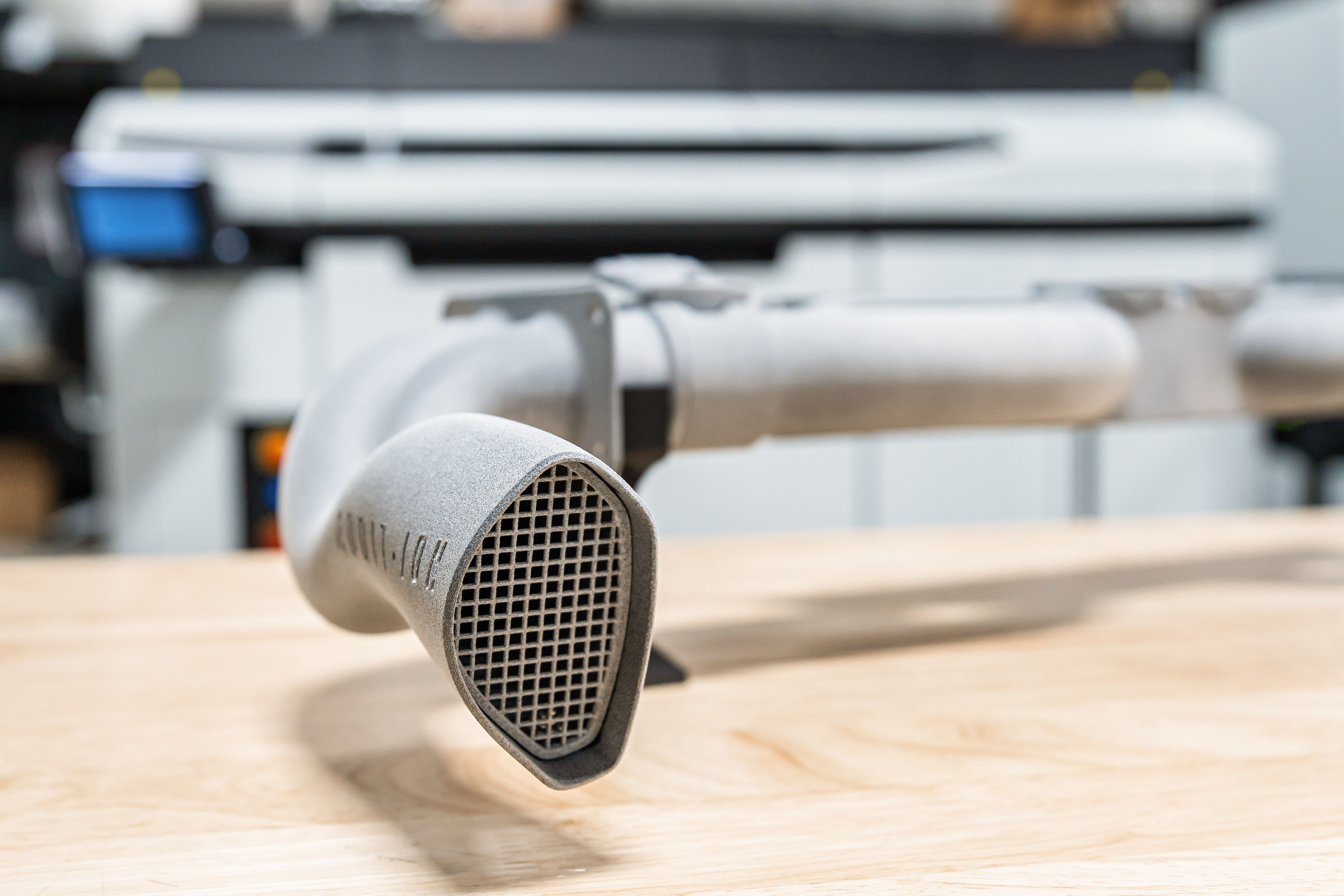
Industry Challenge:
Traditional manufacturing of electronics enclosures and end-use parts requires costly tooling and long lead times, limiting flexibility for low-volume or custom designs.
.png)
Parts are strong, durable, and ready for real-world applications.
Skip expensive molds and setups, print directly from design files.
Reinforced composites and industrial-grade nylon deliver strength and precision.
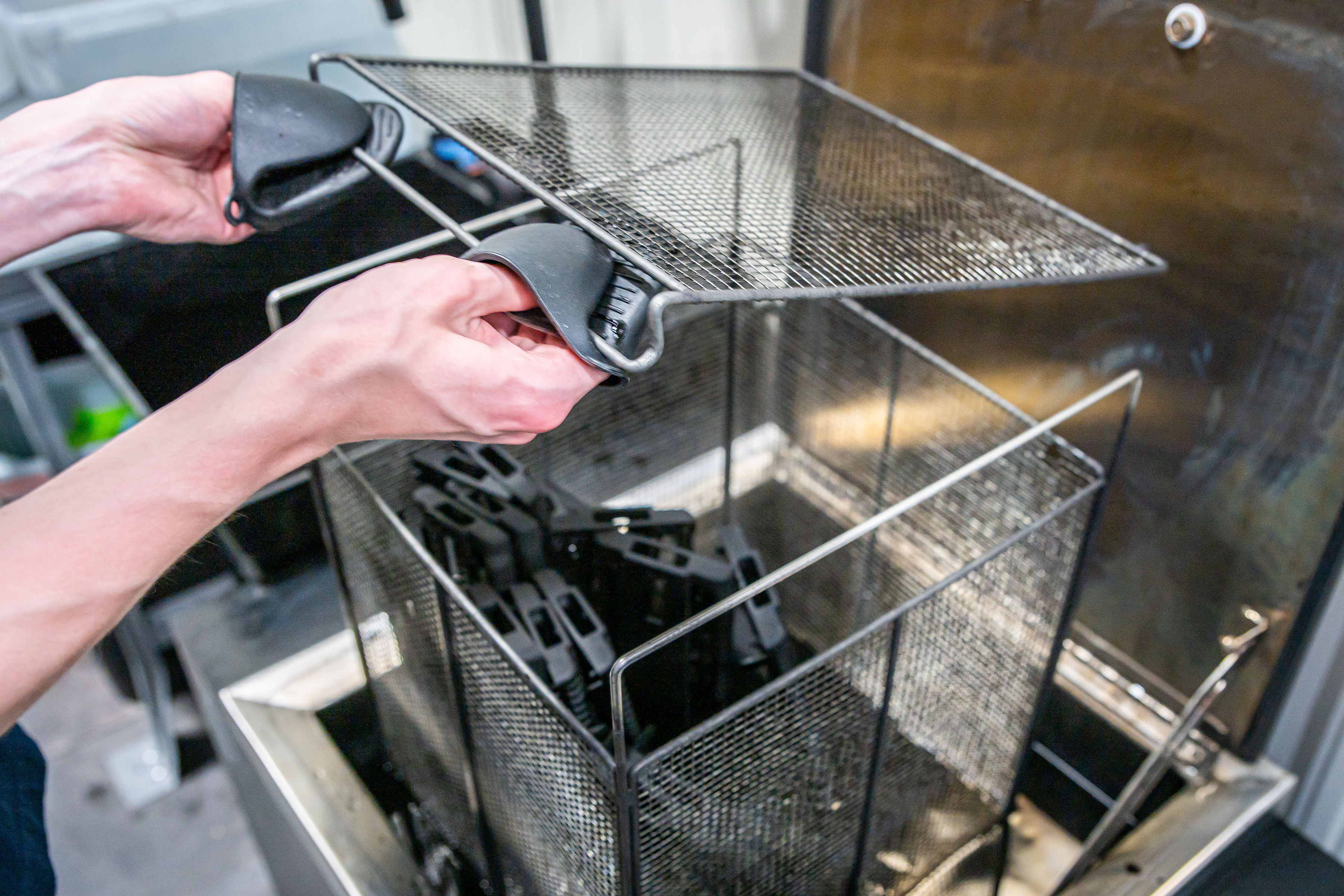
Industry Challenge:
Waiting for molds or machined parts slows product development, tying up capital and delaying launches.
Test and iterate designs in days, not months.
Move directly from prototype to small-batch production.
Avoid large tooling costs and optimize cash flow.
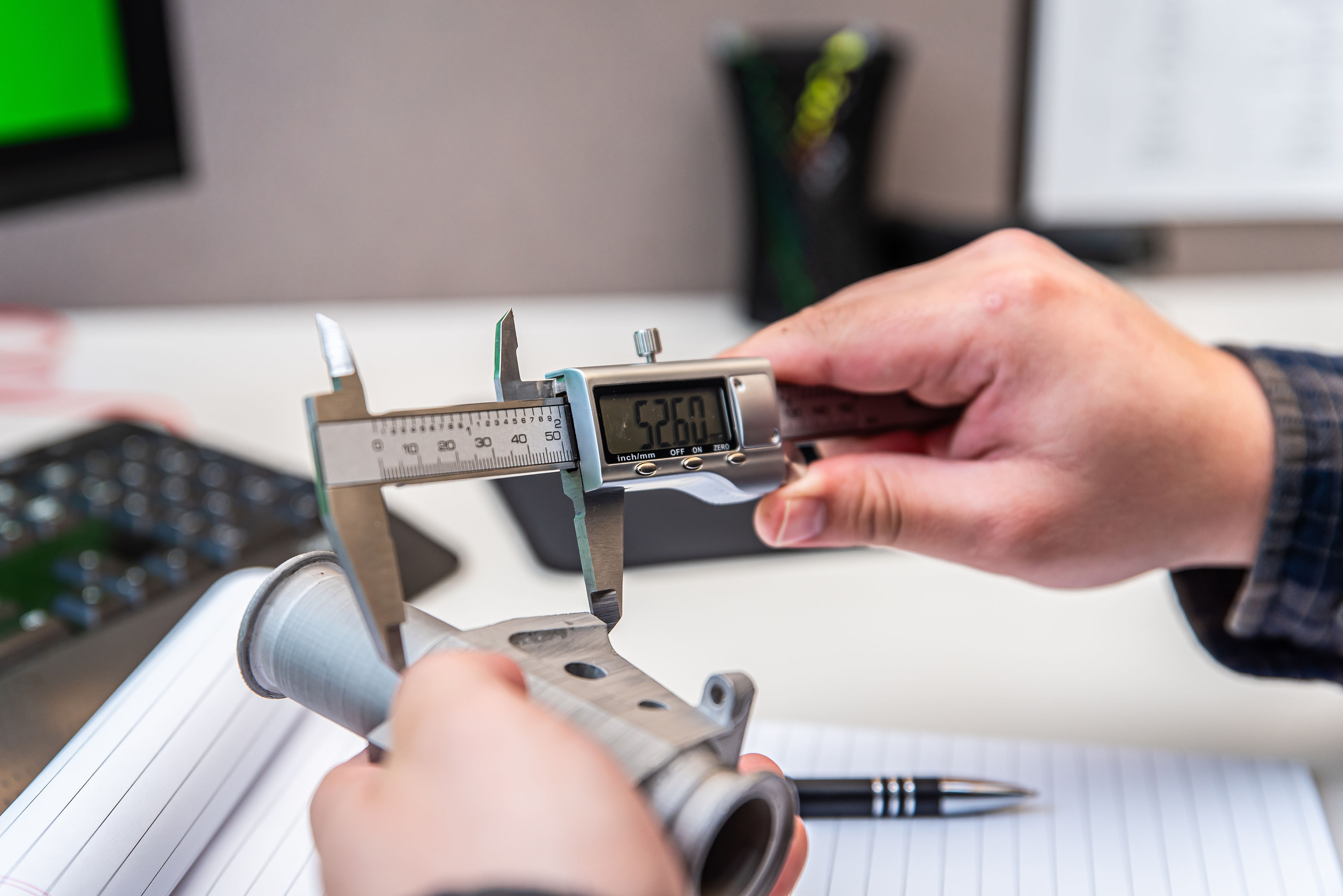
Industry Challenge:
Many manufacturers lack in-house expertise to design and produce 3D-printed parts that meet functional, thermal, and mechanical requirements.
Experts ensure parts meet performance requirements.
From design consultation to production and post-processing.
Leverage Markforged, HP, and Formlabs for reliable, production-ready results.


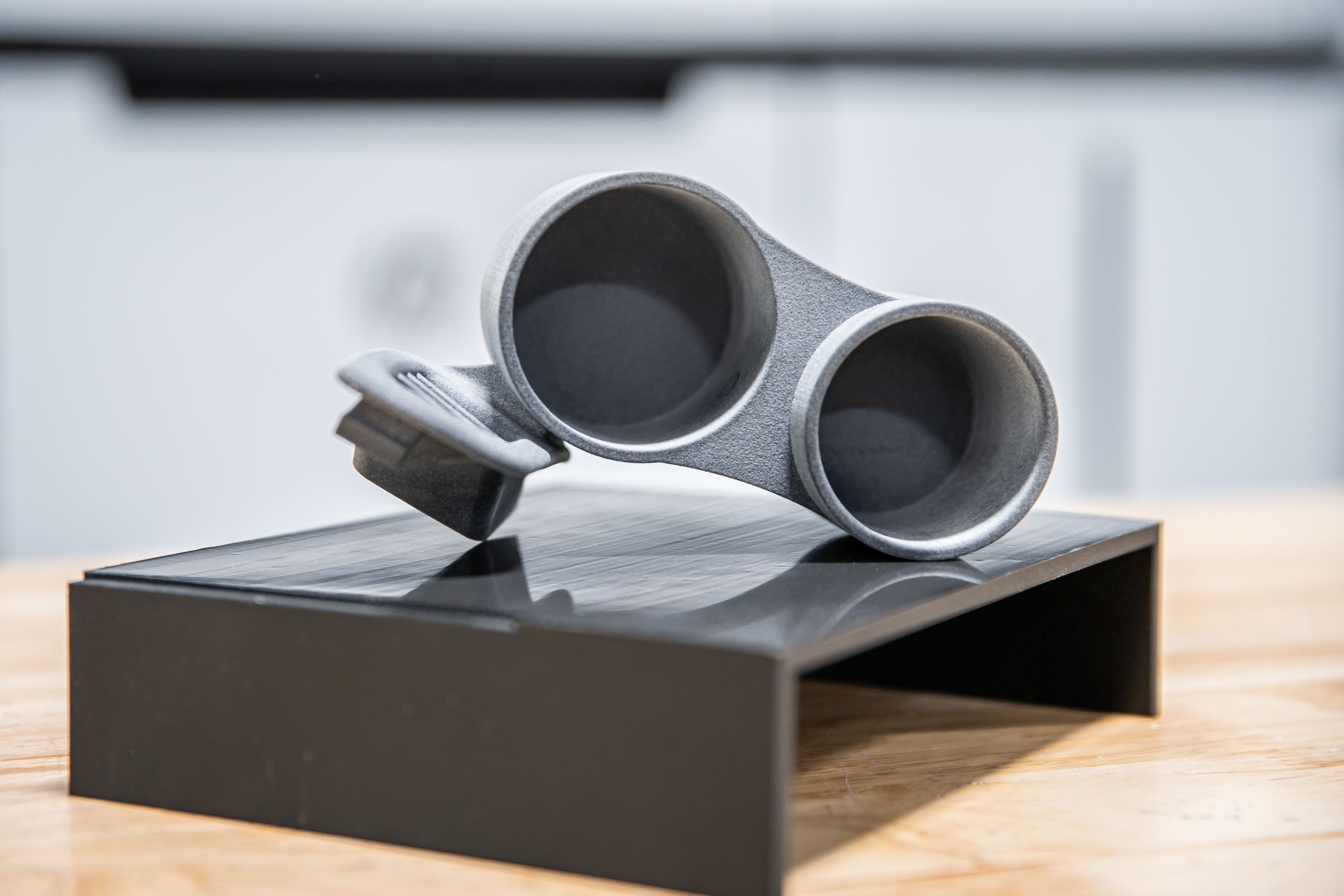
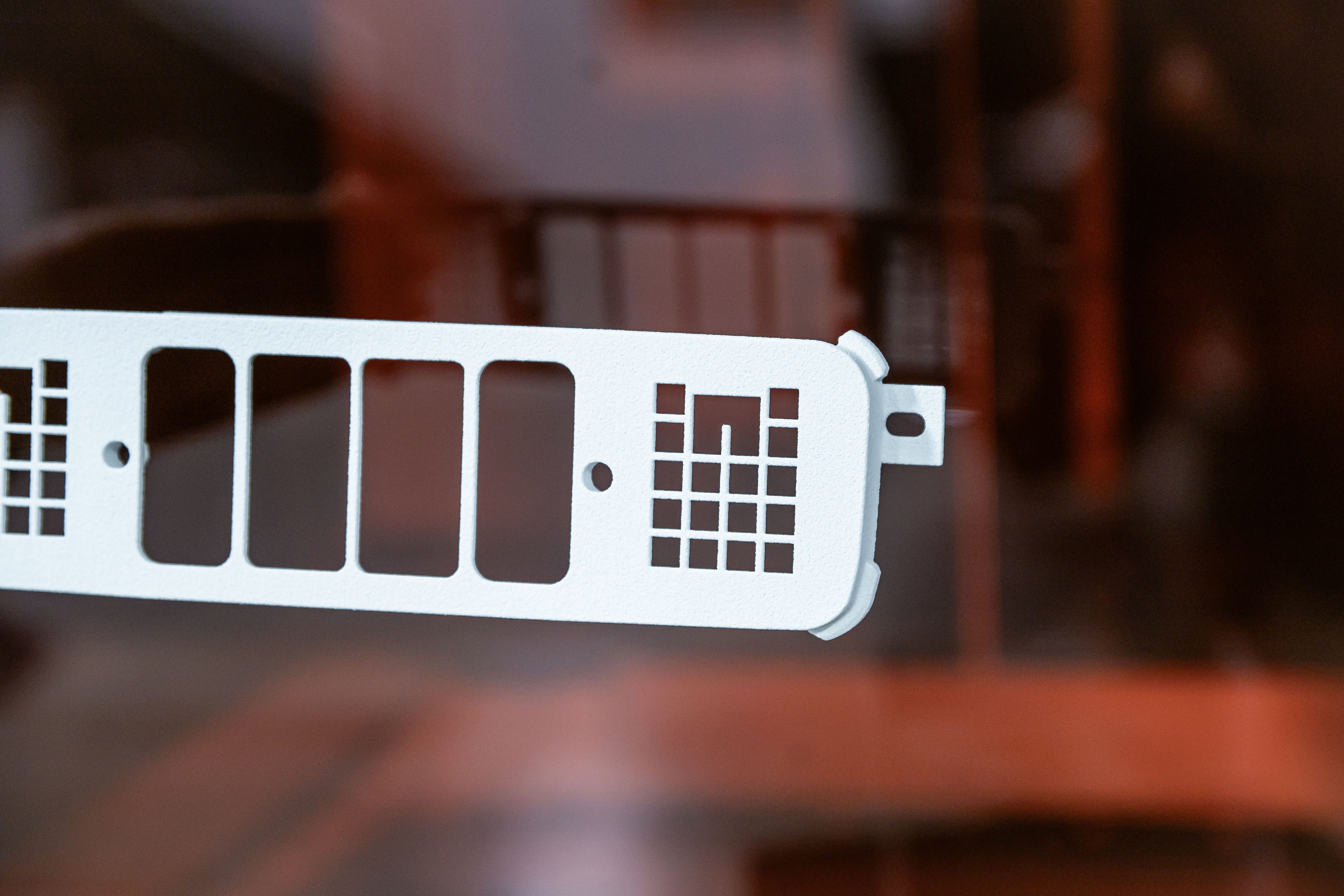
When they began developing their Rekkie augmented reality goggles for downhill skiers, they expected the electronics enclosure would eventually be injection molded. However, the complex geometry and design refinements required to achieve their vision made molding too costly and restrictive.
Rekkie partnered with Designfusion to refine the enclosure design and move into production using HP Multi Jet Fusion (MJF) technology. This allowed for rapid design adjustments, improved assembly, and a premium finish without the expense of tooling.
- Successfully transitioned from prototype to end-use production
- Achieved durable, lightweight housings with excellent surface quality
- Cut development costs and lead times dramatically
- Brought the product to market faster, with superior user experience and aesthetics
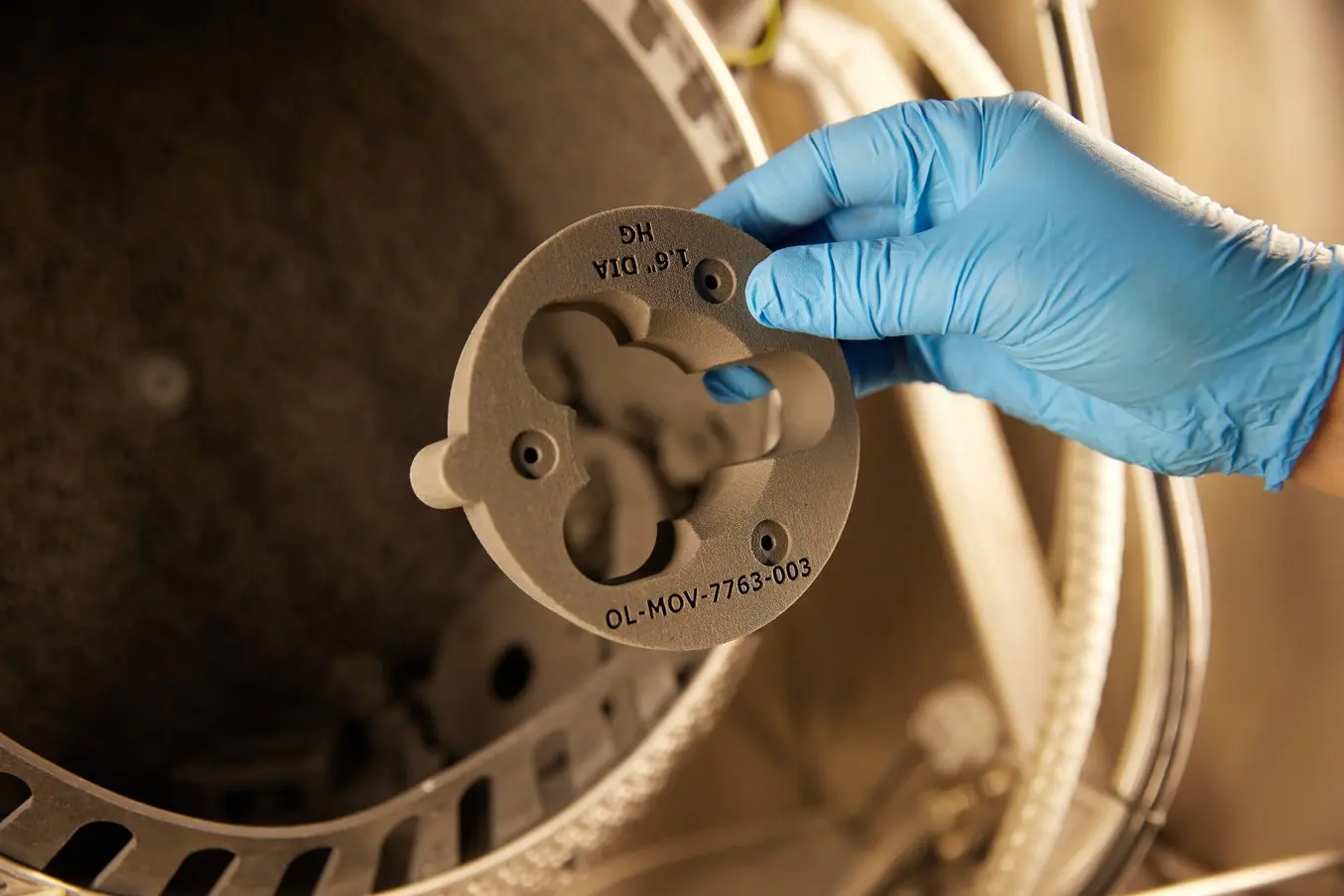
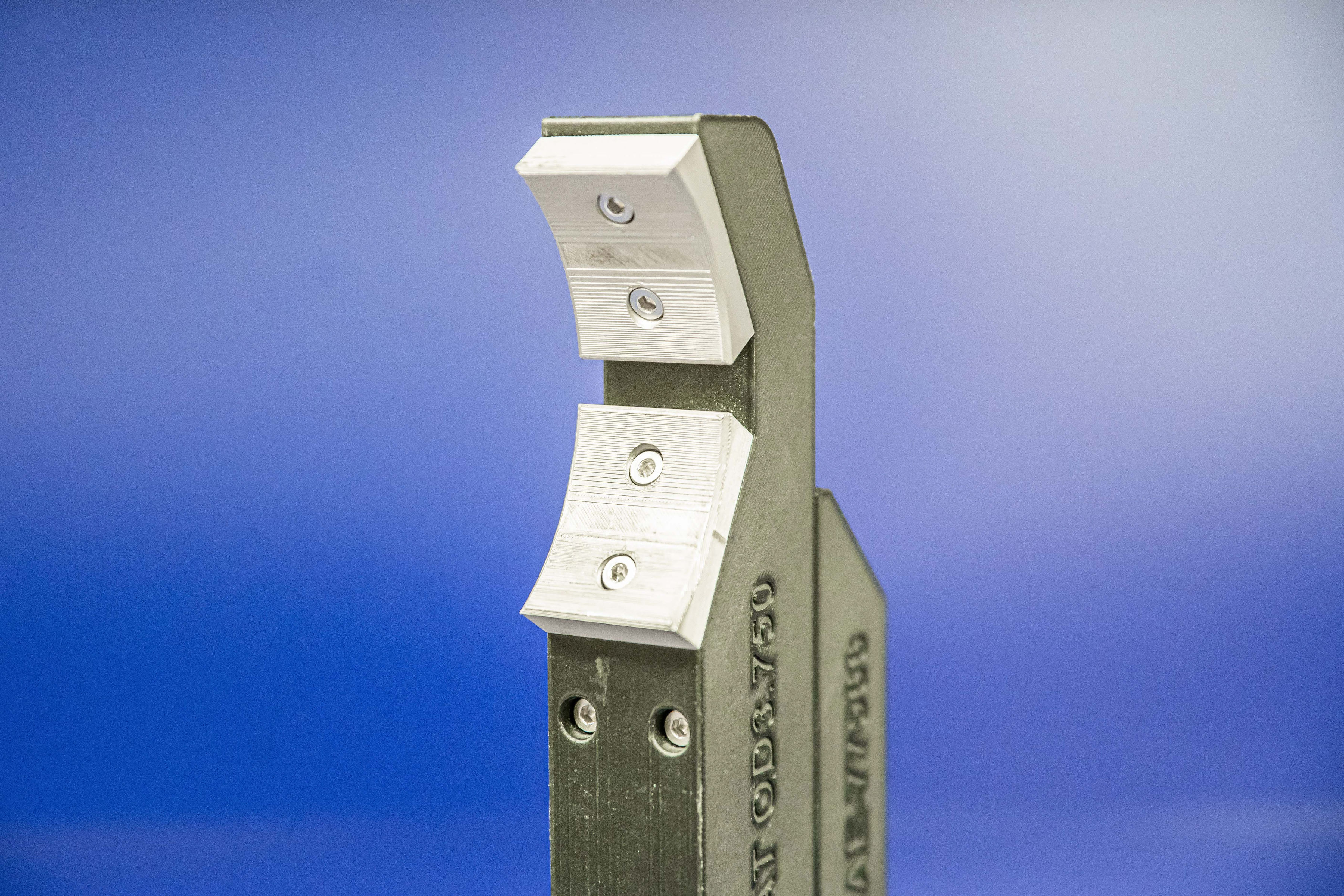
Eaton’s Olean plant needed a steady supply of jigs, fixtures, tooling, and replacement components to support a single-piece flow production line processing ~15,000 units per day. Traditional machining created bottlenecks, long lead times, high part costs, slow iteration, and limited flexibility to refine designs as production needs evolved.
Eaton deployed industrial SLS (Fuse Series) and SLA workflows to produce custom manufacturing aids directly in-house. Engineers rapidly redesigned parts for performance and printed them on demand using durable nylon and precision resins. This shift allowed Eaton to replace machined Delrin fixtures, EOAT components, housings, and alignment tools with lighter, stronger, and far more cost-efficient printed versions.
- 90% of machined fixtures replaced with SLS/SLA versions within one year
- ROI achieved in ~6 months instead of the projected 9
- Part cost reductions of up to 90%, e.g., ~$45 → ~$4 per fixture
- Faster iteration & improved factory resilience, enabling rapid changes, quicker repairs, and continuous process optimization

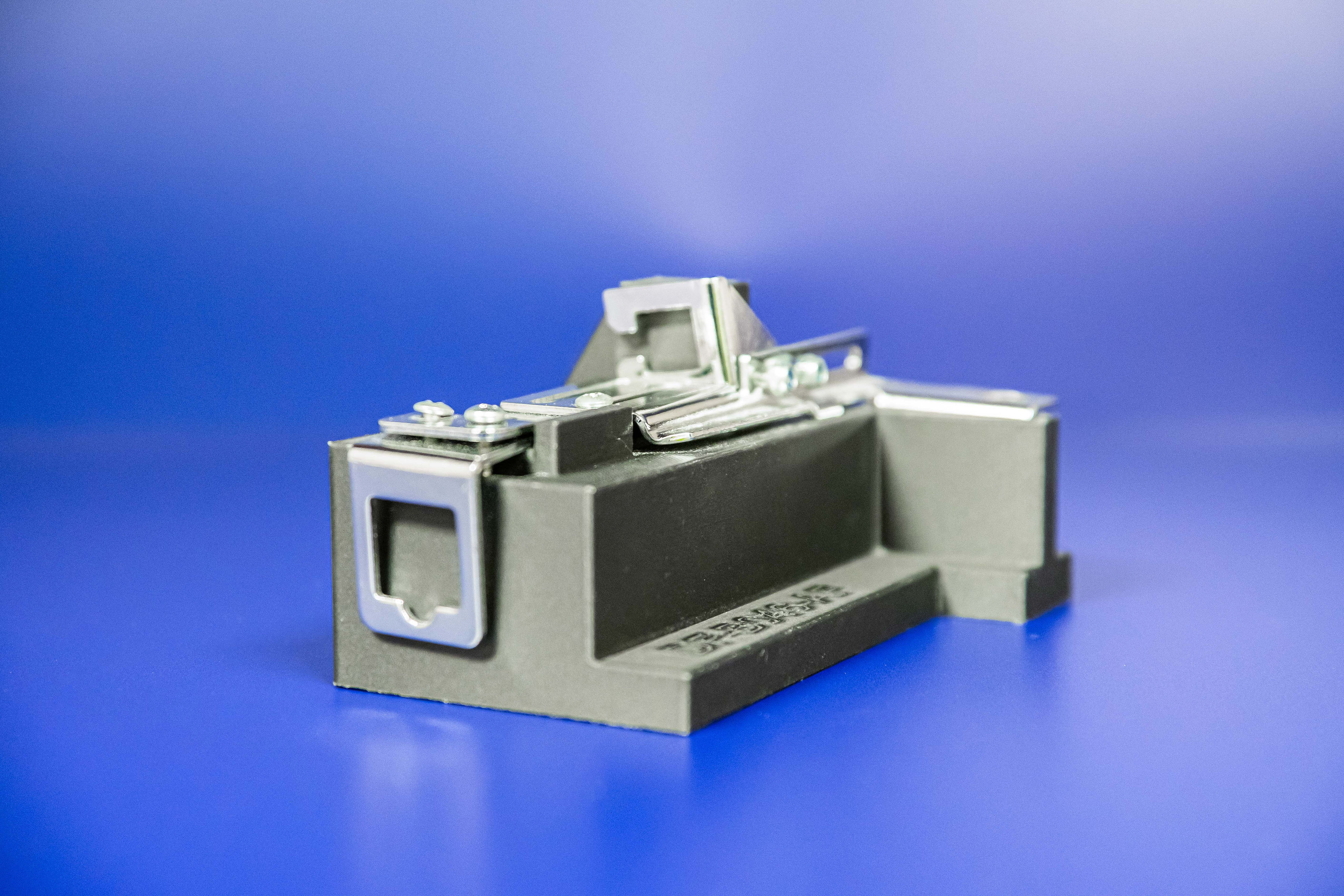
Dana, a Fortune 500 mobility supplier with 36,000 employees across 33 countries, needed a faster, more cost-effective way for engineers to prototype, iterate, and produce specialized tooling. Traditional machining and outsourced fabrication were too slow, too costly, and limited the company’s ability to innovate at the pace required across its global manufacturing sites.
Dana implemented a structured additive manufacturing program using Markforged composite and metal printers across multiple countries. Through internal training, cross-team collaboration, and the deployment of X7 and Metal X systems, engineers began producing functional tooling, fixtures, forming dies, and workholding components directly on-site.
- Up to 70% cost savings on workholding fixtures and tooling
- Lead times reduced by up to 90%, enabling same-day or next-day solutions for plant engineers
- Increased engineering agility, with teams iterating faster and supporting production needs immediately
- Global collaboration enabled through cloud-based Eiger software, allowing engineers in multiple time zones to share designs and manage printers seamlessly
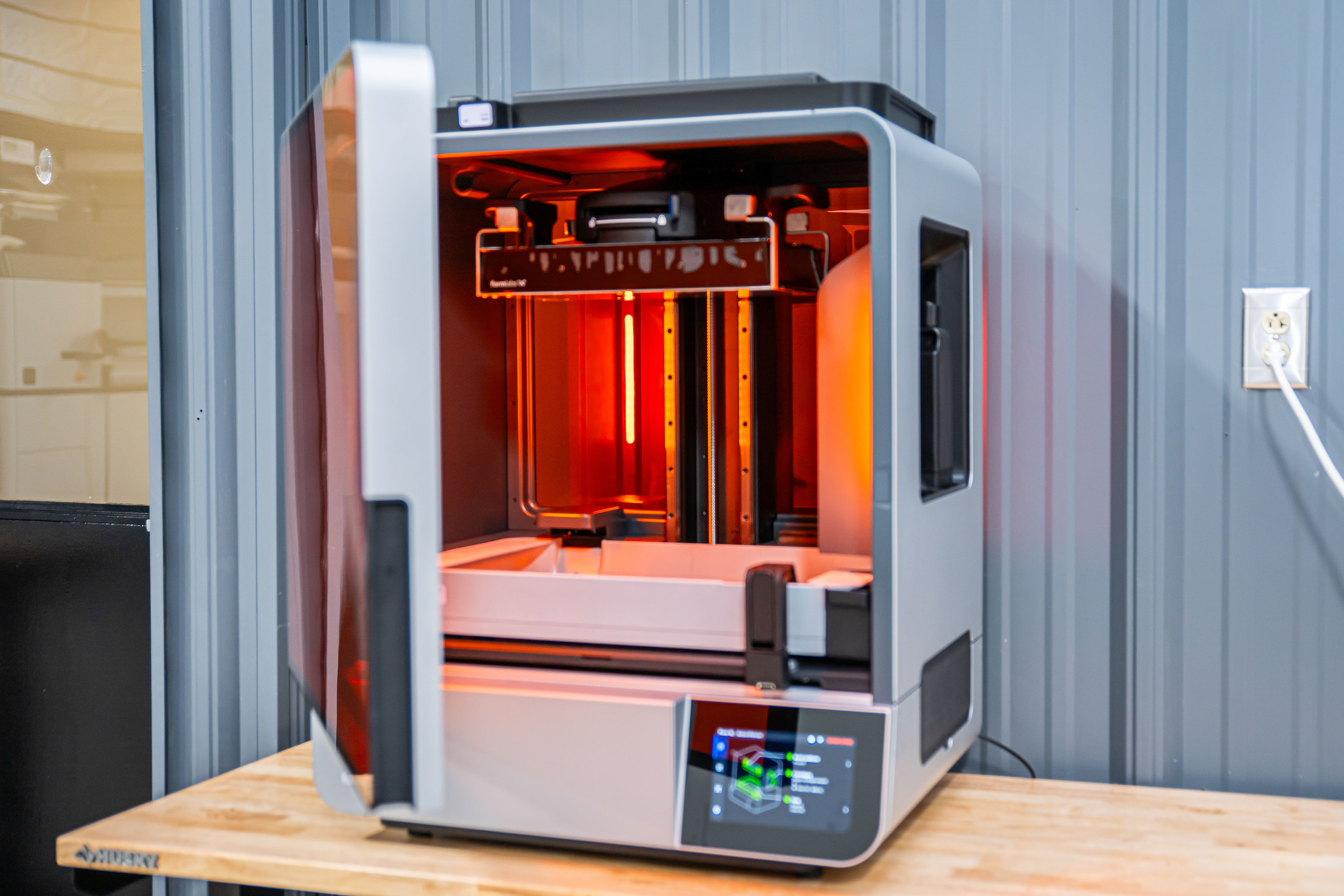
Electronics designers and industrial manufacturers can take advantage of diverse 3D printing technologies to produce functional, production-ready parts. When selecting a printing technology, consider application, part size, production volume, and design complexity.
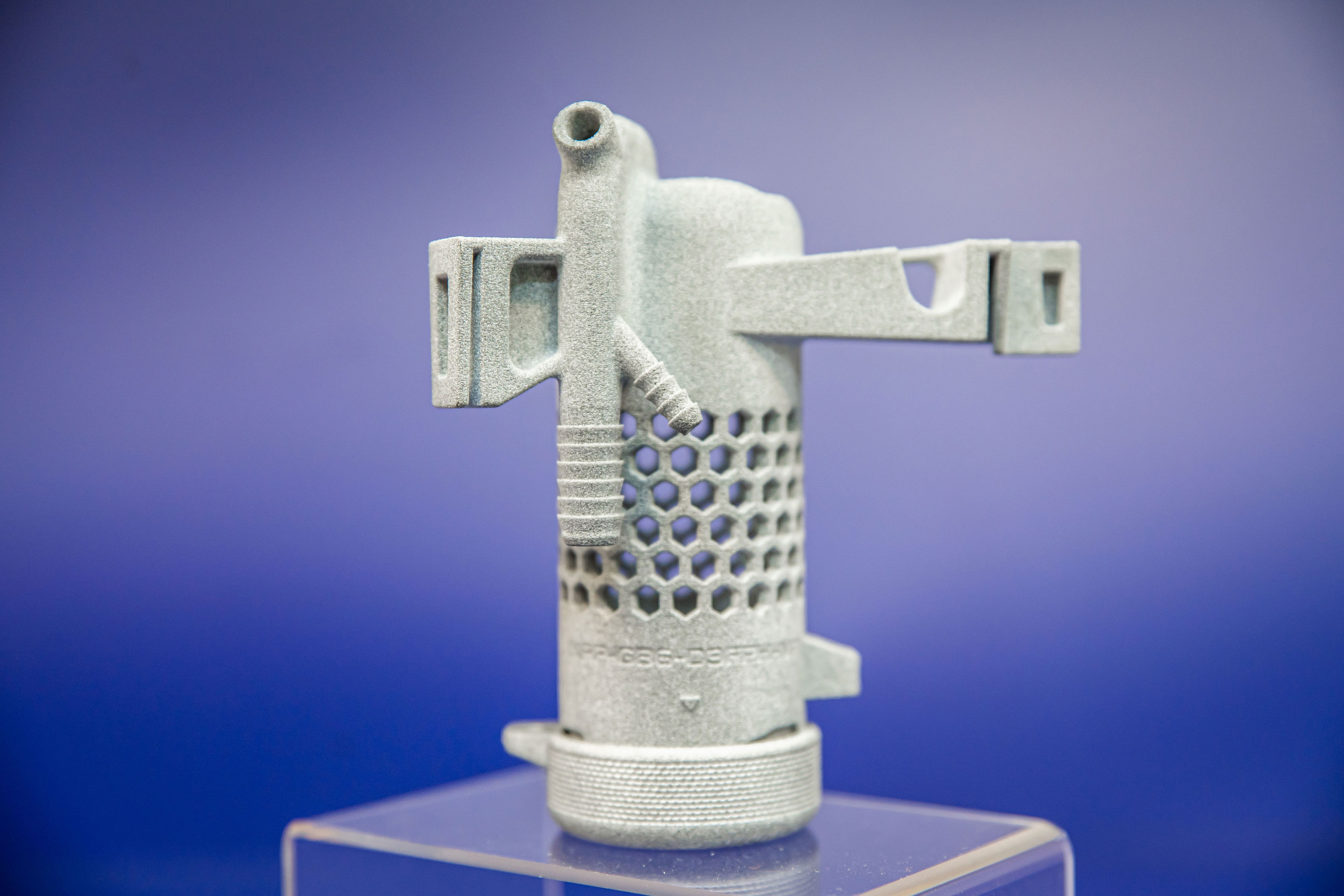
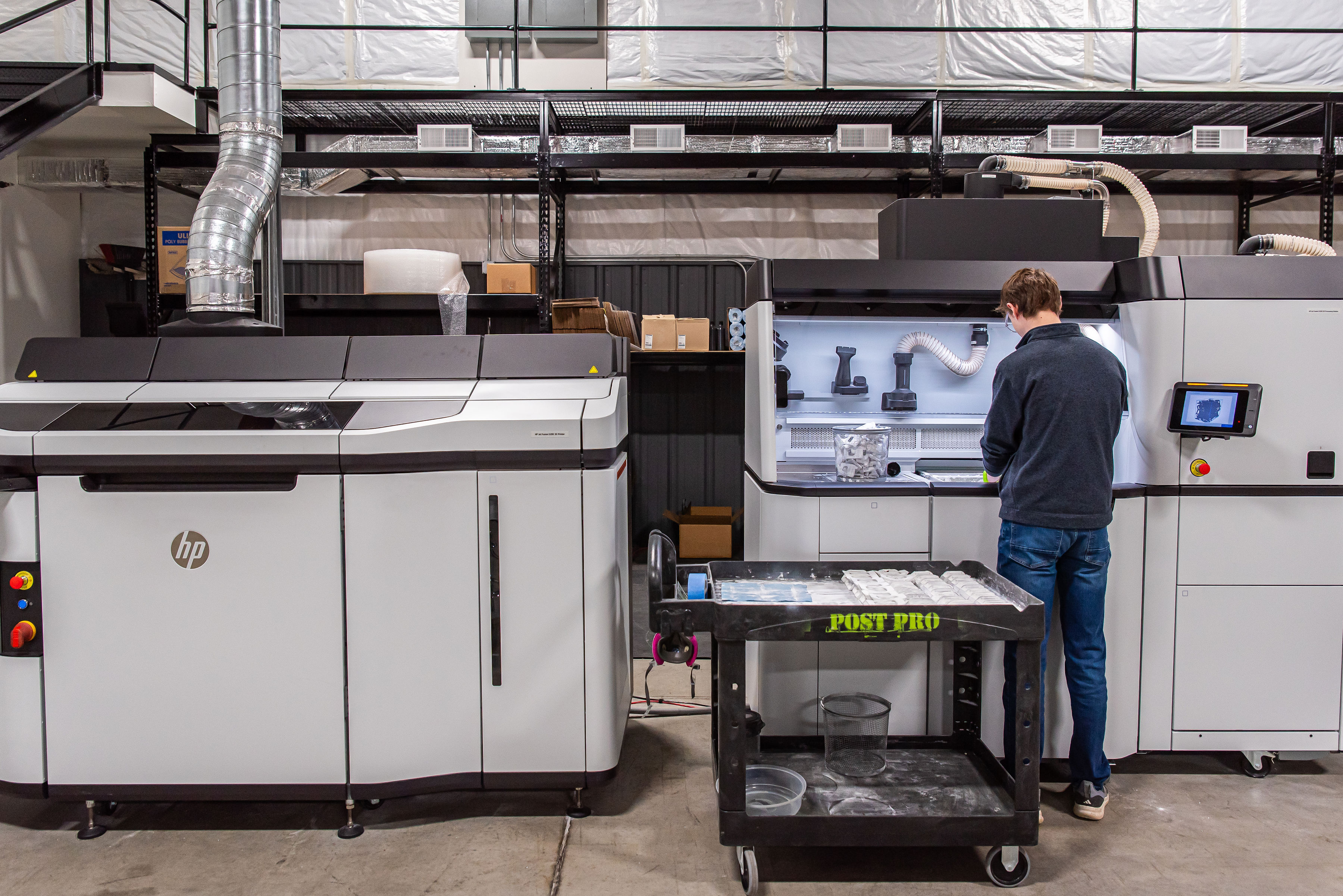
Best for: Batch production of functional nylon parts, snap-fits, clips, manifolds, lattice structures.
Materials: PA12, PA12-GB, PP, ESD-safe options.
Surface & tolerance: Production-grade nylon with consistent isotropy; dyeing/tumbling available.
Typical time to deliver: 5 business days. Ideal for 10–10,000+ parts.
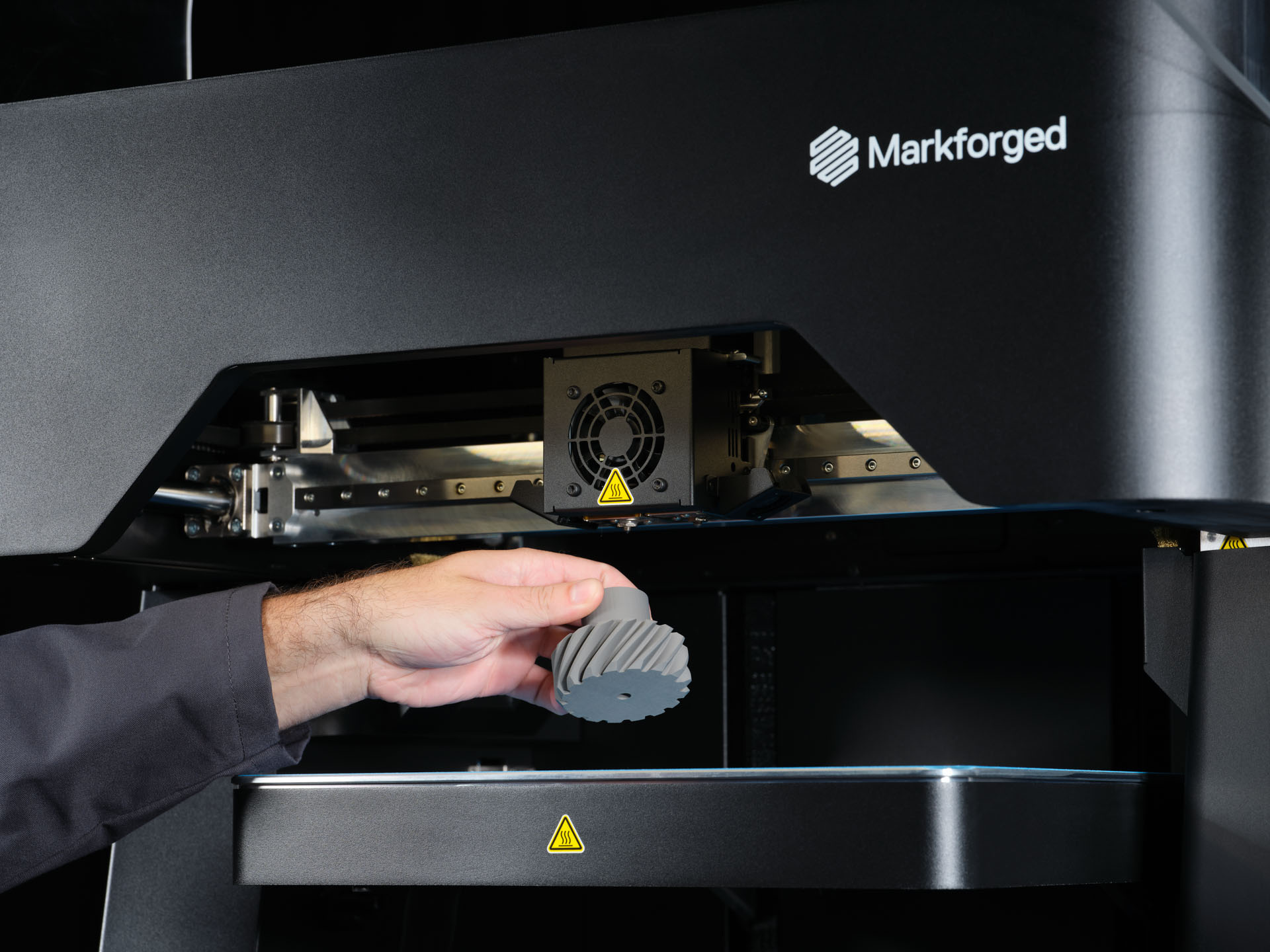
Best for: Jigs/fixtures, brackets, tooling replacements, rugged end-use parts.
Strength profile: Onyx base (stiff, heat-resistant) reinforced with continuous Carbon Fiber for aluminum-like stiffness; Kevlar/FG for impact.
Surface & tolerance: Functional matte finish, tight functional tolerance after light fit/finish.
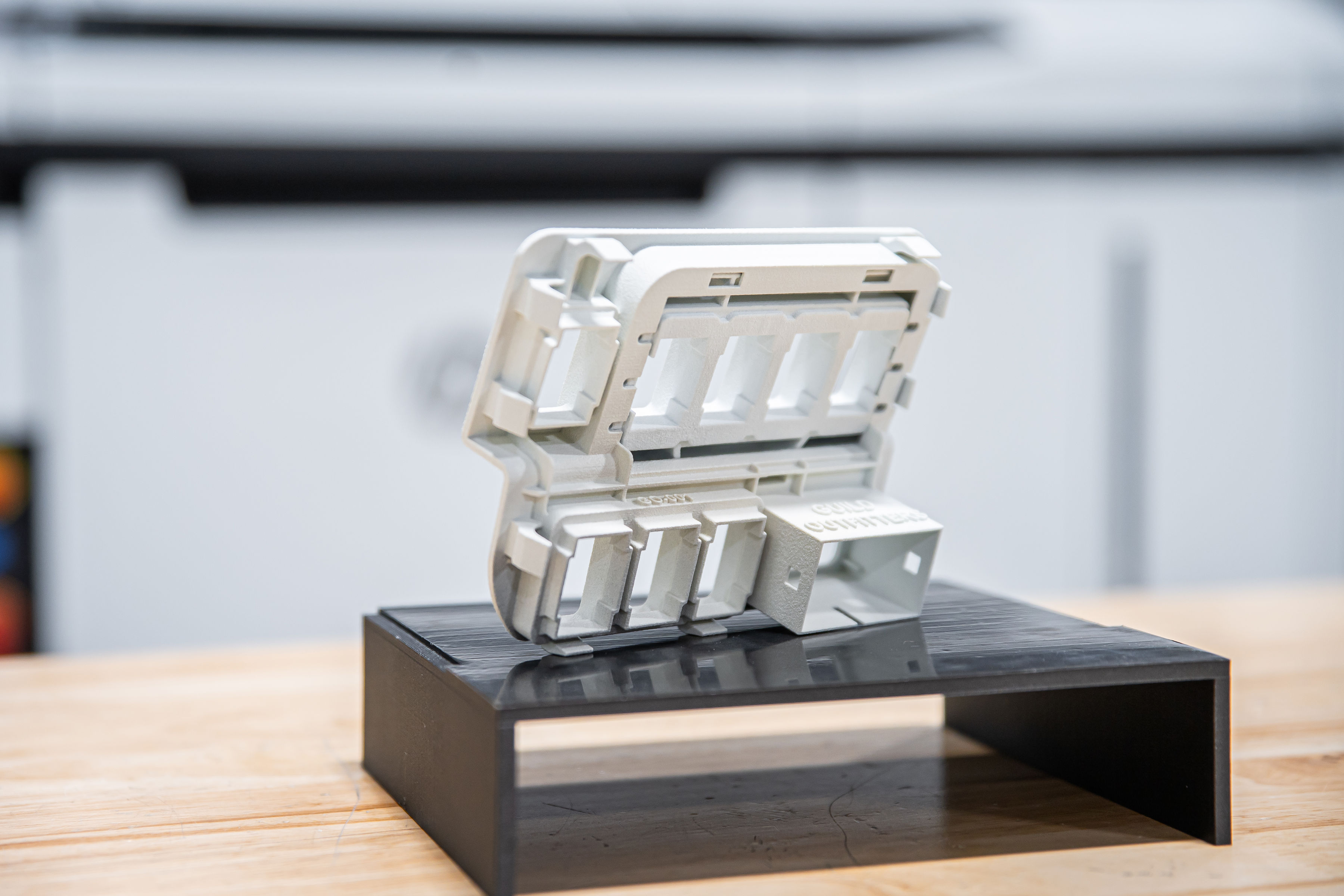
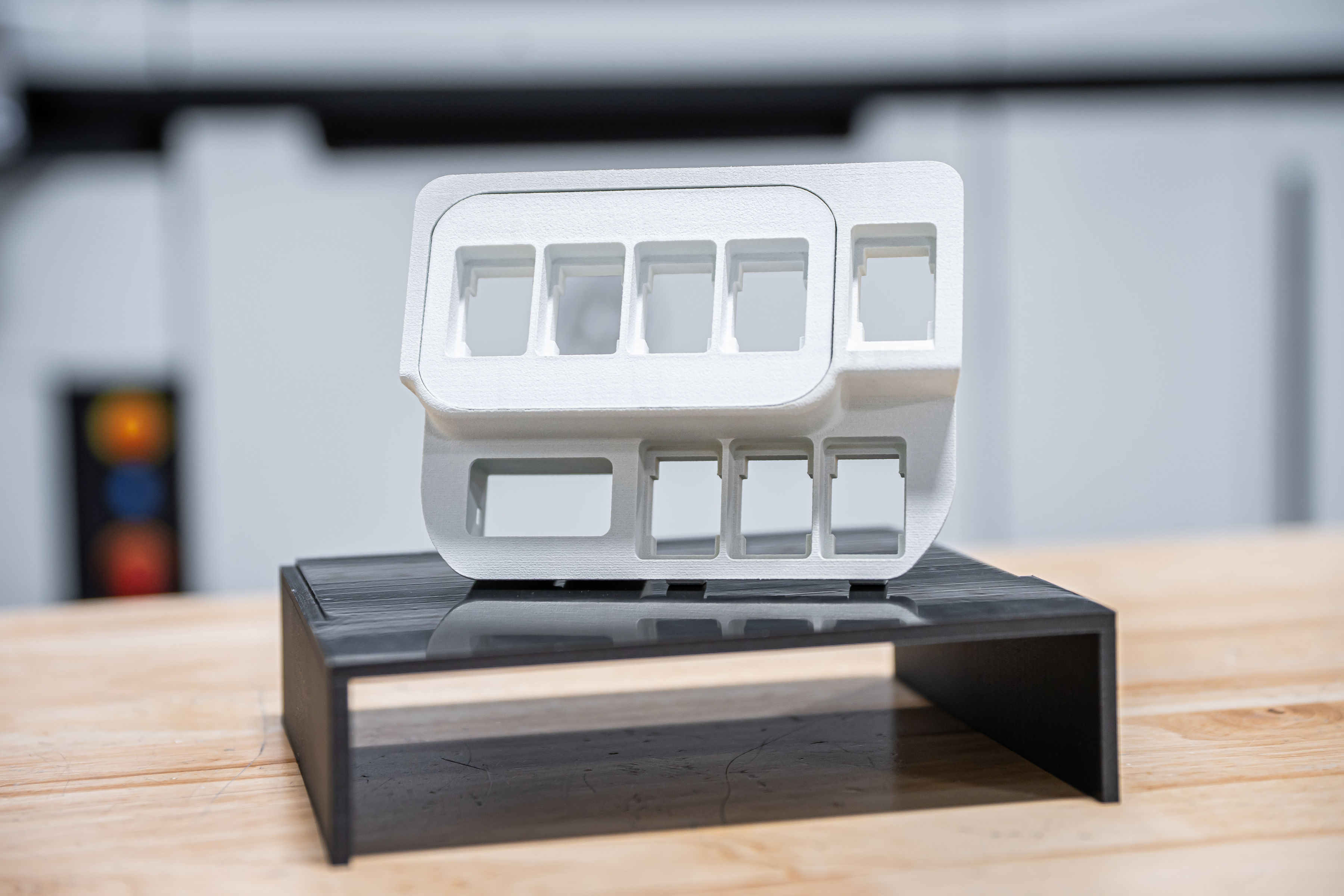
Best for: Functional end-use parts, complex geometries, snap-fits, and small-to-medium production runs.
Materials: Nylon (PA12, PA12-GB), glass-filled nylon, and other engineering-grade powders.
Surface & tolerance: Powder finish; no supports needed; post-processing improves smoothness and appearance.
.png)
Best for: High-detail prototypes, smooth cosmetic parts, transparent components, micro-features, molds/casting patterns, dental/medical resins.
Materials: Tough Resin, High-Temp Resin, Rigid Resin, Gray Pro Resin, ESD/Conductive Resins
Surface & tolerance: Very smooth, crisp features; excellent for visual models and sealing surfaces.

Markforged Simulation uses Finite Element Analysis (FEA) to test part performance virtually. It simulates real-world conditions, such as stress, strain, and deformation, and provides metrics like strength, stiffness, and safety factor. This ensures parts meet performance requirements before printing, eliminating costly trial-and-error cycles
Markforged Simulation is a top choice for optimizing 3D prints. It integrates directly with the Eiger software, allowing users to adjust settings such as fill density and fiber reinforcement automatically. Its optimization features ensure reduced material usage, faster print times, and parts that meet or exceed functional requirements.
Markforged Simulation reduces costs by minimizing material waste and avoiding overbuilding. The software optimizes designs virtually, cutting material usage by up to 85% and print time by 80% in some cases. This efficiency lowers production costs and accelerates time-to-market.
Eiger is Markforged's cloud-based software for managing 3D printing workflows. Markforged Simulation integrates seamlessly into Eiger, allowing users to validate and optimize part designs directly within the platform. It automates complex analysis processes, making it easy to configure parts for strength, stiffness, and cost efficiency.